


|
|
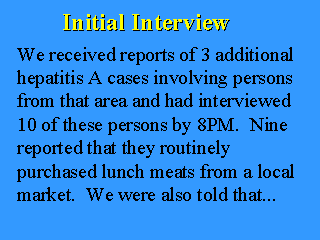
| several weeks before these reports there had been a break in a major sewer line in the area and there had been reports of persons with raw sewage in their yards. There was also the possibility of contamination of potable water supplies. Hepatitis A investigations are especially difficult because of the long incubation period. Questions are often phrased as ”where do you usually purchase …” rather than going for specifics. The technique used in this type of interview is quite |
The occurrence of the sewer break threw a real wrench into this investigation as we now had 2 possible sources to contend with. Although we had 9 persons who shopped at the same market, this was one of the largest in the area and it was quite possible that this reflected shopping patterns of area residents rather than the source of infection. We needed a comparison group. We could have used neighbor controls but the hour was late and we didn’t want to raise public awareness until and unless it was unecessary. |
Slide 16 of 25