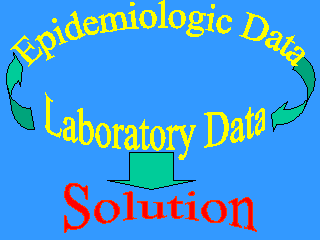
foodborne cause. Epidemiologic data can
direct laboratory investigations by narrowing the lists
of both suspect food items and potential pathogens.
Conversations with laboratorians in the earliest stage
of the investigation about preliminary data and the
availability of various assays, specimen collection
and transport can save a lot of frustration for both
groups later on. In the second example, epidemiologic
data focused our efforts on the deli and resulted in
considerable follow-up activities. We did not receive
notification of a HAV-IgM positive deli worker until
the very latter stage of the investigation. In situations
where food samples or testing are not available,
epidemiologic data may be the only source of information.
In this instance, the contaminated food was gone long
before onset of the first case.
|